
Pan de Agua (Puerto Rican Water Bread)
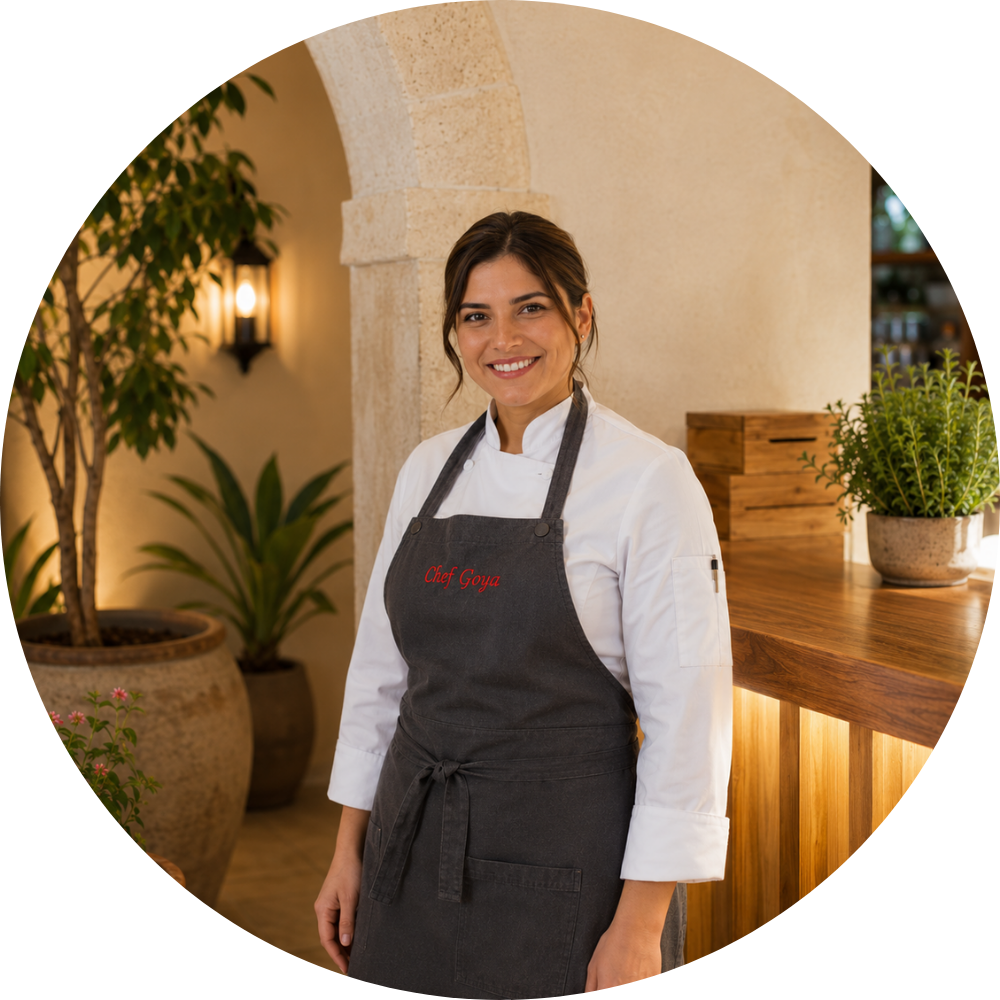
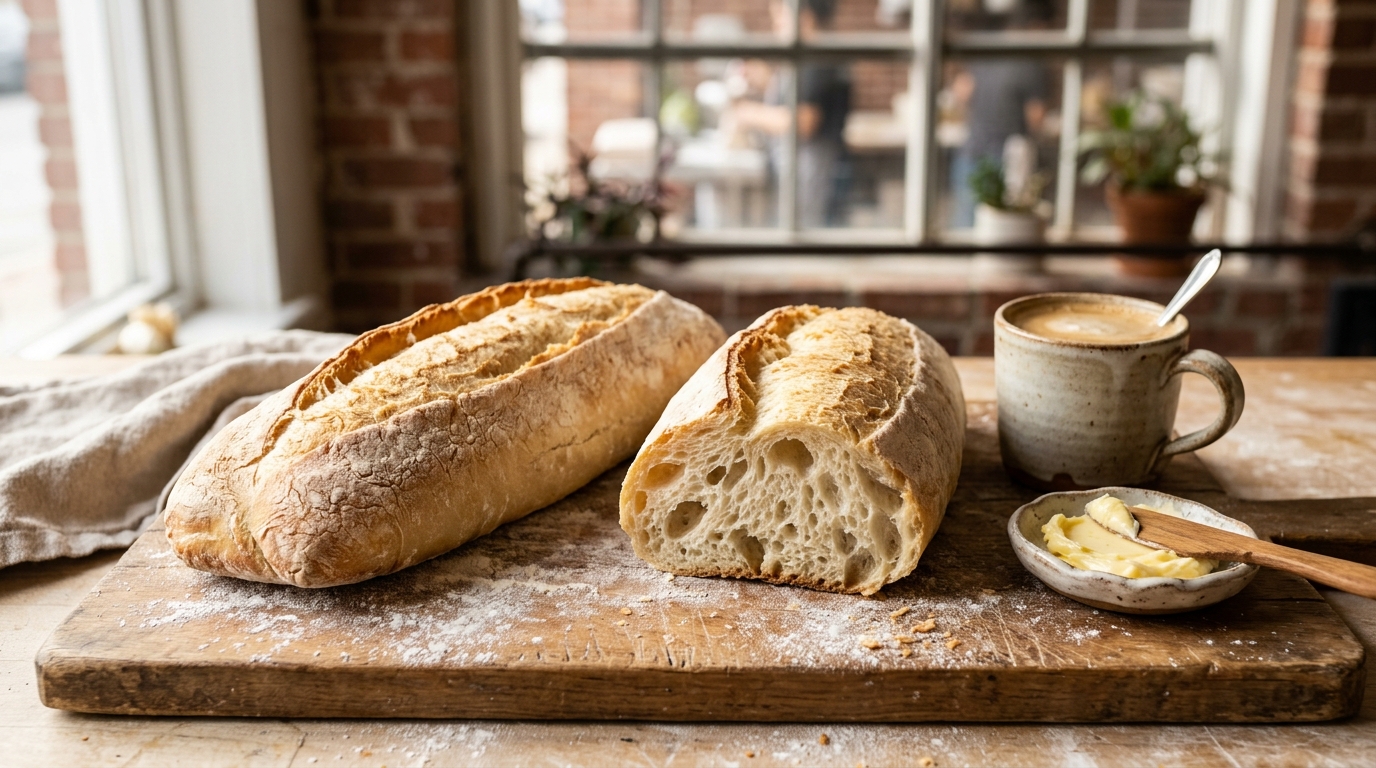
Every Puerto Rican panadería sells it by the bag before seven in the morning and it's gone by nine: pan de agua, "water bread," a long, pale-gold loaf with a thin crust that shatters when you press it and a crumb so light it feels hollow. It's the bread under every sandwich de jamón y queso, the one you tear and dunk in café con leche, and — for the diaspora — the one thing the supermarket bakery never gets right. I grew up on it in Aguadilla, and after a lot of flat, dense attempts in a US kitchen I found the two things that make it work: a lean dough with very little fat, and the cold-oven steam method the island bakers use.
This recipe gives you two sandwich loaves or eight rolls with nothing but bread flour, water, yeast, salt, a spoon of sugar and a spoon of shortening. No mixer required. For the rest of the site in English, see the recipes in English page.
What is pan de agua?
A Puerto Rican white bread, descended from Spanish and French baguette traditions but softer and lighter than either. The name comes from what's not in it: unlike pan sobao (the sweeter, enriched Puerto Rican loaf made with lard and evaporated milk), pan de agua is made with water and almost no fat, so the crust bakes up thin and crisp and the inside stays airy. Loaves are long and slashed down the middle; the crust is shiny from an egg-white or oil wash and crackles as it cools. It's the island's everyday bread: breakfast with butter, lunch as a sándwich de mezcla, dinner alongside habichuelas.
The cold-oven trick
This is the part most recipes leave out, and it's the whole secret. Puerto Rican bakers put the shaped loaves into a cold oven with a pan of boiling water on the rack below, then turn the oven on. As the oven heats, the water steams the dough for the first 15 minutes — the crust stays soft long enough for the loaf to expand fully (that's the light crumb), then sets into a thin, glossy shell as the steam burns off (that's the crackle). No preheating, no spray bottle. It feels wrong the first time. Do it anyway.
Ingredients and US notes
- Bread flour (King Arthur, Gold Medal Better for Bread, or the store brand) gives the chewy-light crumb. All-purpose works; the loaf is a touch softer and flatter.
- Yeast: active dry or instant — either. If instant, skip the proofing step and add it straight to the flour.
- Fat: a tablespoon of vegetable shortening (Crisco) or lard keeps the crumb tender without making it rich. Some island bakers use none at all.
- Water: lukewarm, about 105°F — warm to the wrist, not hot.
- The wash: egg white beaten with a teaspoon of water for the classic shine; a brush of oil is the home-kitchen shortcut.
More recipes like this
Pan de Agua (Puerto Rican Water Bread)
Puerto Rican pan de agua: the crackly-crusted, cloud-soft island bread made with flour, water, yeast and salt — and the cold-oven, pan-of-water trick that gives it that crust. Makes 2 loaves for sandwiches or 8 rolls.
Ingredients
Instructions
- Proof the yeast: stir the yeast and sugar into the lukewarm water and let it stand 5–10 minutes until foamy. (Instant yeast: skip this and add it to the flour.)
- Make the dough: whisk the flour and salt in a large bowl, add the yeast mixture and the shortening, and stir into a shaggy dough. Turn it out and knead 10 minutes (or 6–7 in a stand mixer on medium-low) until smooth, soft and springy — slightly tacky, not stiff. Add flour only if it's truly sticking.
- First rise: put the dough in a lightly oiled bowl, cover, and let it rise in a warm spot until doubled, about 1 hour.
- Shape: punch down and divide in half (or into 8 for rolls). Roll each half into a 12–14 inch log with tapered ends and set on a parchment-lined baking sheet, seam down. Cover loosely and let rise 30–40 minutes until puffy.
- Slash and wash: brush the loaves with the egg-white wash and cut one ¼-inch-deep slash down the length of each with a sharp knife or razor.
- Cold-oven bake: set an empty metal pan on the bottom rack of a COLD oven and the baking sheet on the middle rack. Pour the boiling water into the pan, close the door immediately, and turn the oven to 400°F. Bake without opening the door for 25 minutes, then check: the loaves should be deep golden and sound hollow when tapped underneath, 30–35 minutes total (rolls 20–25).
- Cool on a rack 20 minutes — the crust will crackle as it cools. Best the day it's baked.
Other recipes to try
Tips
Tips from my kitchen
- Go easy on the flour. The dough should be soft and slightly tacky, not stiff. Every extra ¼ cup of flour makes a denser, drier loaf — the mistake behind most sad homemade pan de agua. Add flour only if it's genuinely sticking to everything.
- Knead until it's smooth and springy — 10 minutes by hand, 6–7 in a stand mixer on medium-low. Poke it: it should spring back slowly.
- Two rises. Once in the bowl until doubled (about an hour), then shaped on the sheet for 30–40 minutes until puffy. Rushing the second rise gives you tight loaves.
- Shape long and slash deep. Roll each half into a 12–14 inch log, taper the ends, and cut one long slash ¼ inch deep down the center with a sharp knife or razor. The slash is where the loaf opens — skip it and it splits on the side.
- Boiling water, cold oven, then turn it on. Pour the water into the pan right before the loaves go in, close the door, set 400°F. Don't open it for 25 minutes.
- Listen for the hollow knock. Done loaves are deep golden and sound hollow tapped on the bottom, about 30–35 minutes total. Cool on a rack — the crust crackles audibly as it cools, which is how you know you got it right.
- Eat it today. Lean breads stale fast. Same-day is perfect; day two, toast it. For longer, freeze and refresh 8 minutes at 375°F.
Variations
- Rolls (pan de agua pequeño): divide into 8, shape into 5-inch torpedoes, slash, same method, 20–25 minutes. The right size for a sandwich de jamón y queso or a tripleta.
- Pan sobao: the sweeter cousin — add 2 tablespoons sugar, 3 tablespoons lard and swap ½ cup of the water for evaporated milk. Softer crust, tender crumb.
- Overnight dough: after kneading, refrigerate the dough up to 18 hours; shape cold, give it an hour to rise, then bake. More flavor, and fresh bread at breakfast.
- Stand mixer or bread machine (dough cycle): both fine — the shaping and the cold-oven bake are what matter, not the kneading.
Nutrition facts
Per serving
makes 16| Calories | 130 | |
| Protein | 4g | |
| Carbohydrates | 25g | |
| Fat | 1g | |
| Fiber | 1g | |
| Sodium | 290mg |
Keywords: pan de agua puerto rico recipe, pan de agua recipe, puerto rican water bread, pan de agua, puerto rican bread recipe, pan de agua puertorriqueño, how to make pan de agua
Did you make this recipe?Rate it and tell me how it turned out in the comments.
How to serve pan de agua
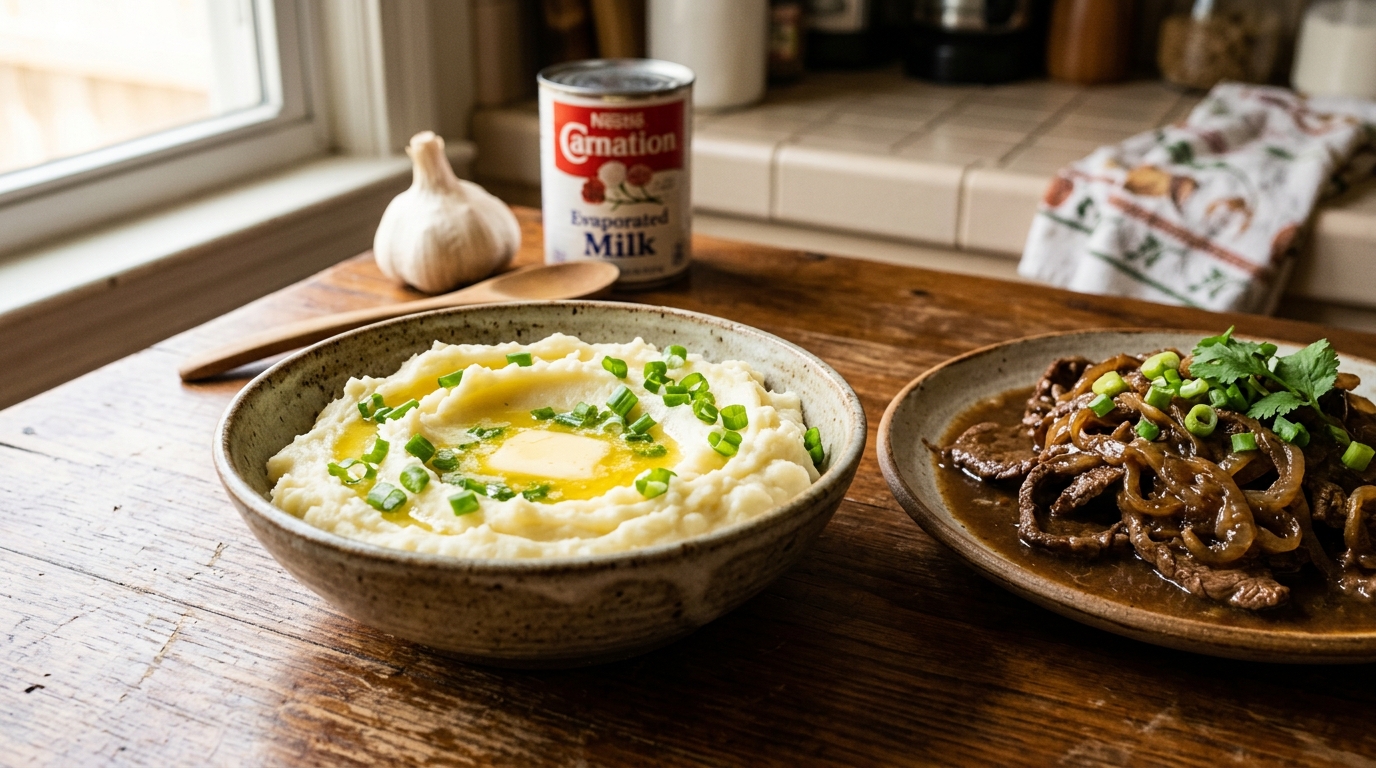
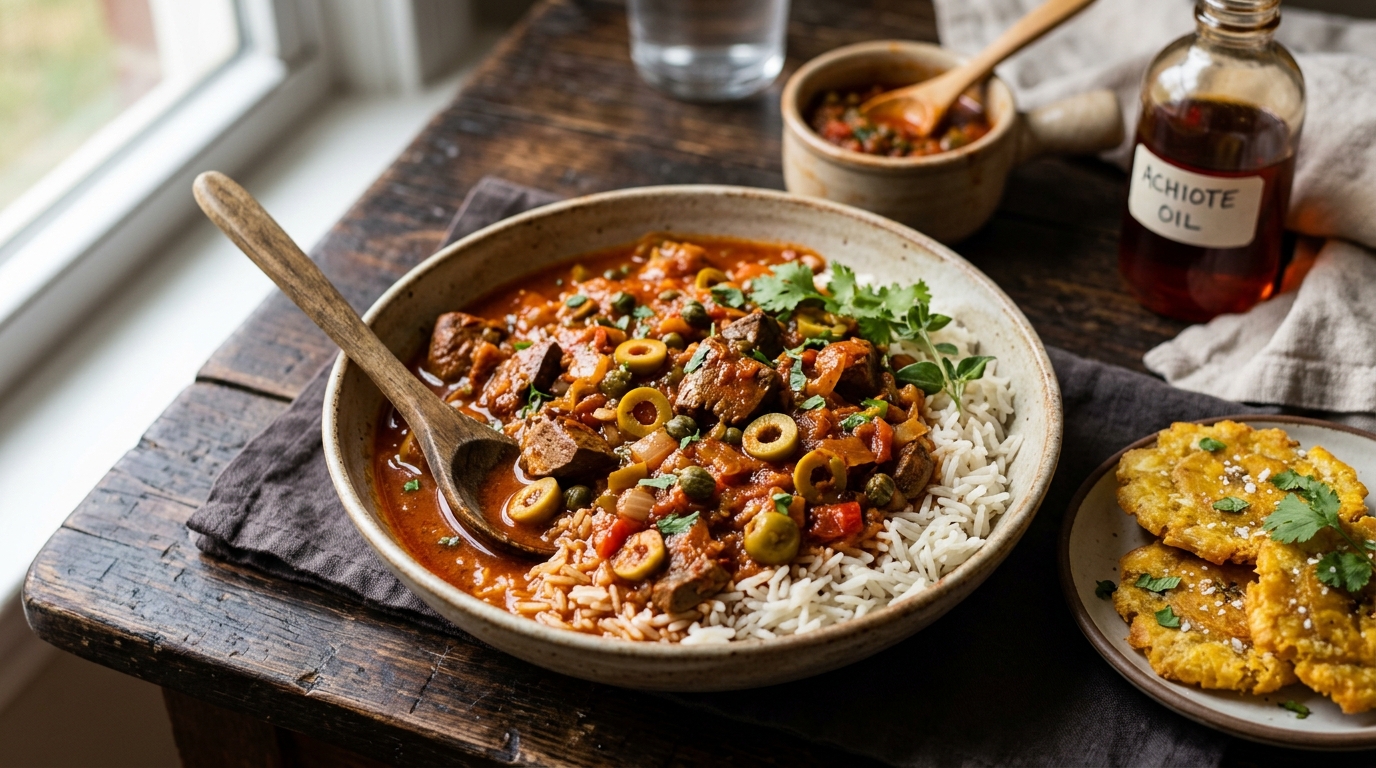
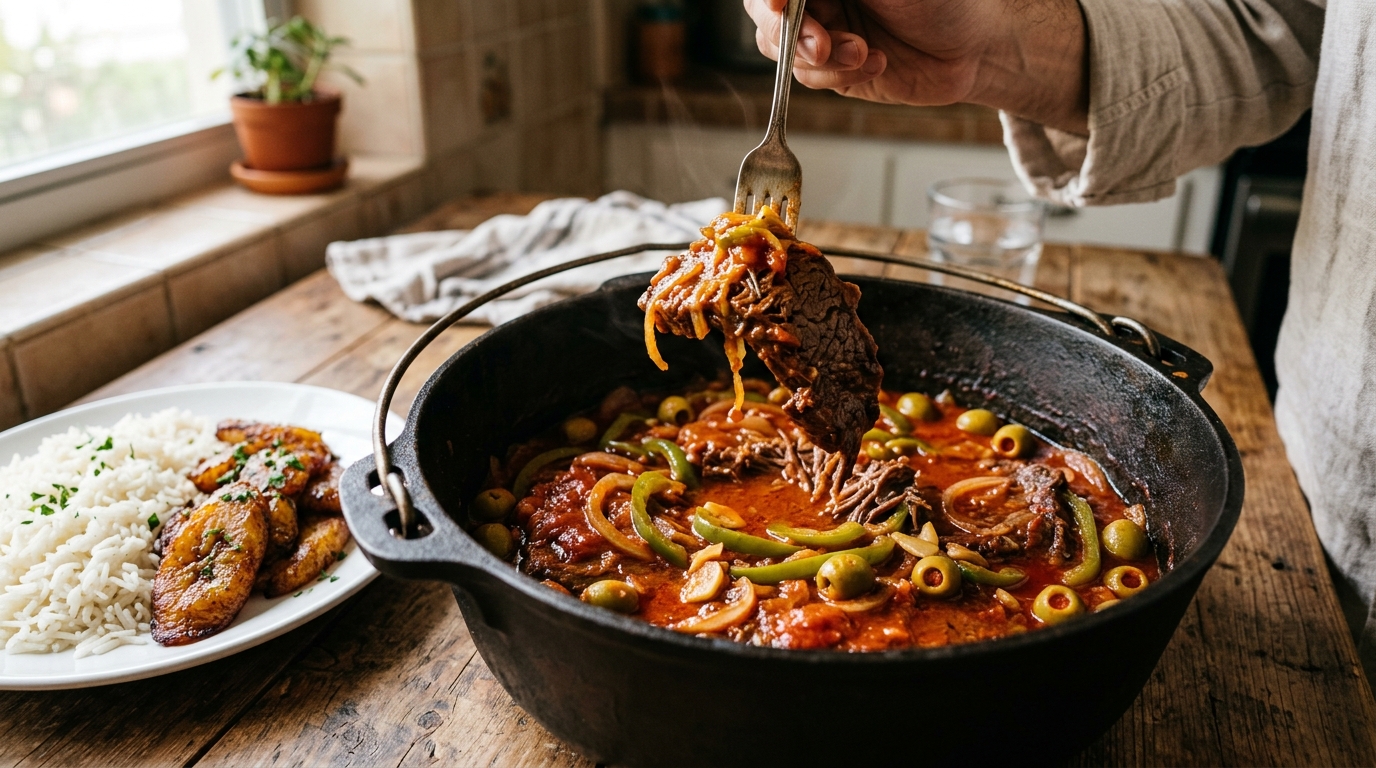
Warm, split and buttered, with café con leche — that's breakfast on the island. For lunch it's the bread for sándwich de jamón y queso pressed on a griddle, the tripleta (three meats), or the pan con bistec. It's also the right bread next to a bowl of beans or asopao, and the best thing to wipe up a plate of bistec en cazuela. Day-old, it makes superb garlic bread or torrejas (French toast).
Frequently asked questions
What is the difference between pan de agua and pan sobao?
Fat and sugar. Pan de agua is a lean water dough — crisp crust, airy crumb. Pan sobao is enriched with lard and evaporated milk and a little more sugar — soft crust, tender, slightly sweet crumb. Same bakeries, different bread.
Why do you put pan de agua in a cold oven?
So the pan of boiling water below steams the loaves while the oven heats up. The steam keeps the crust soft long enough for the bread to rise fully, then it burns off and the crust sets thin and crackly. It's the traditional Puerto Rican bakery method and it's what gives the bread its texture.
Can I use all-purpose flour?
Yes. The loaf will be a little softer and not quite as tall. Bread flour gives the chewier, lighter crumb closest to the bakery version.
Why is my pan de agua dense?
Too much flour, or an under-risen second proof. Keep the dough soft and tacky, and let the shaped loaves get visibly puffy before they go in. Old yeast is the other culprit — if the proof doesn't foam in 10 minutes, start over with a fresh packet.
How do I keep the crust crispy?
Cool it uncovered on a rack and eat it the same day. Don't store it in plastic — a paper bag keeps the crust for a day. To revive, 5–8 minutes in a 375°F oven.
Can I freeze pan de agua?
Yes — fully cooled, wrapped tightly, up to 2 months. Thaw at room temperature and crisp in a hot oven for 8 minutes.
One last thing
The first time the crust crackles on the cooling rack you'll understand why Puerto Ricans abroad talk about this bread the way they do. If you bake it, leave a rating below and tell me whether you went loaves or rolls — and whether your family let it cool before tearing into it. Mine never does.
0 comments